Anti Oppression
Central to IDHA’s organizational development is the ongoing work of becoming an anti-oppressive organization. In 2019, we made a public commitment to this work, spanning anti-racism, disability justice, transformative justice, conflict resolution, and economic accessibility. We continue to approach this commitment as an evolving process – one that requires continuous learning, unlearning, and adaptation across all areas of our work.
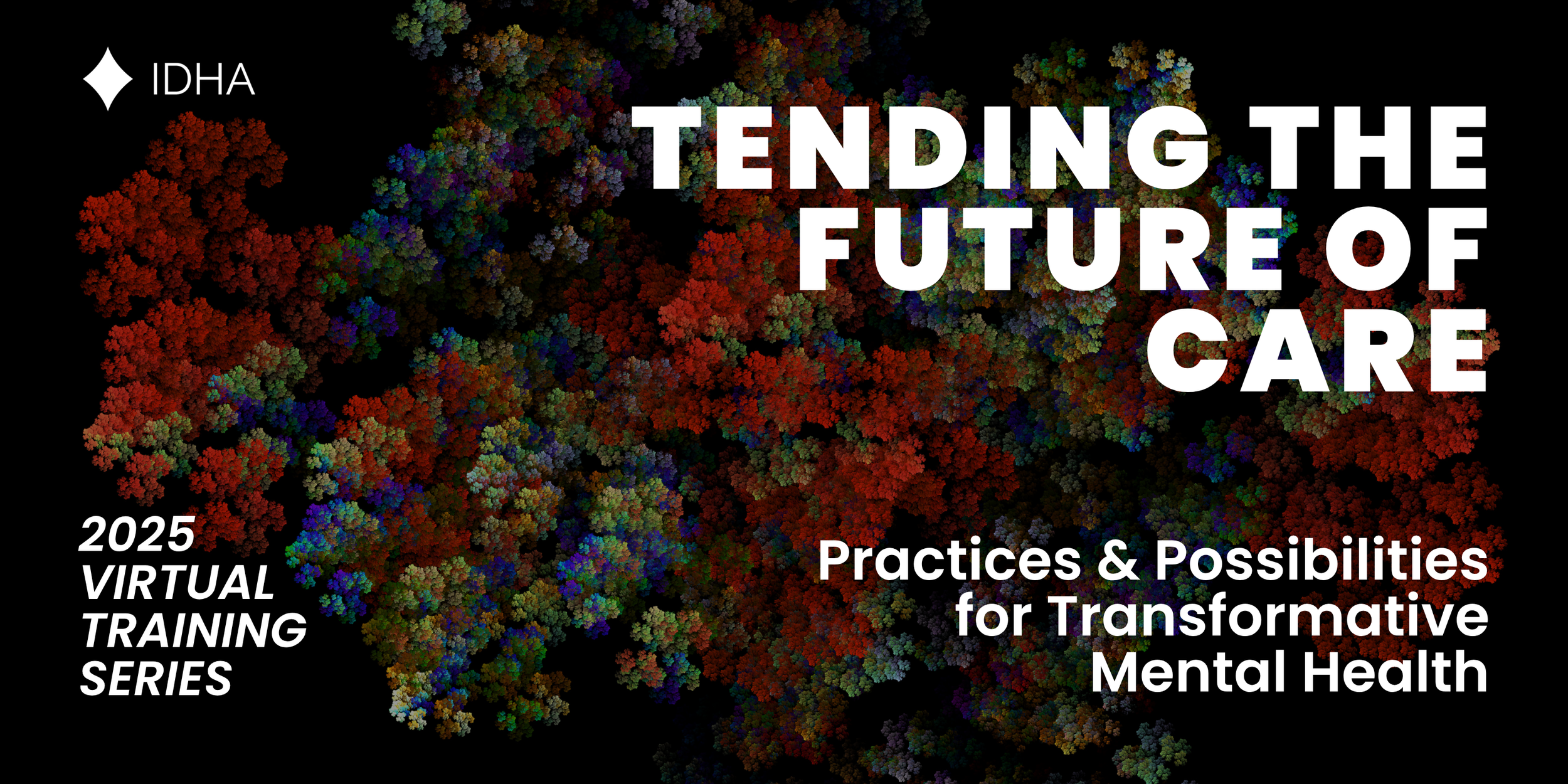
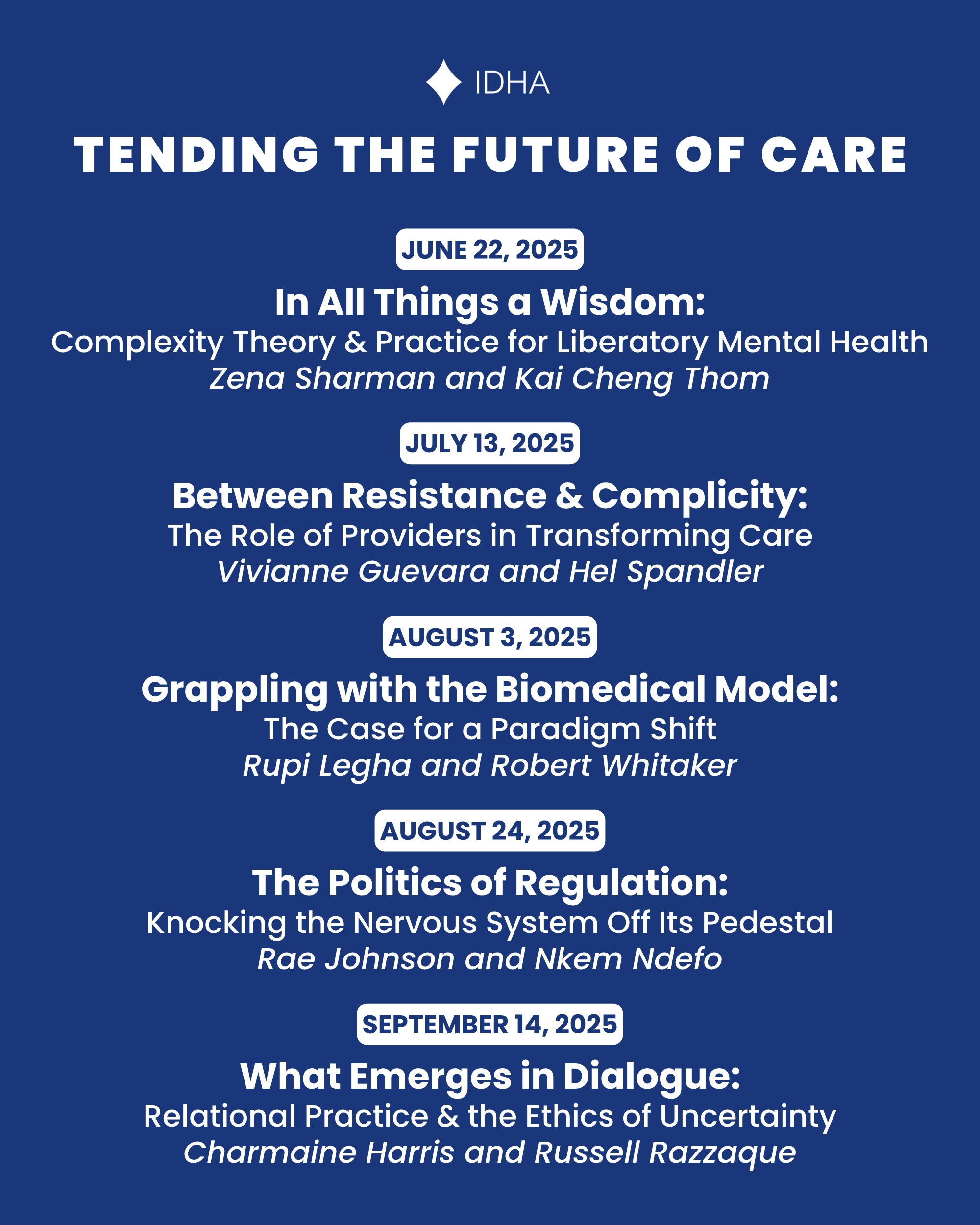
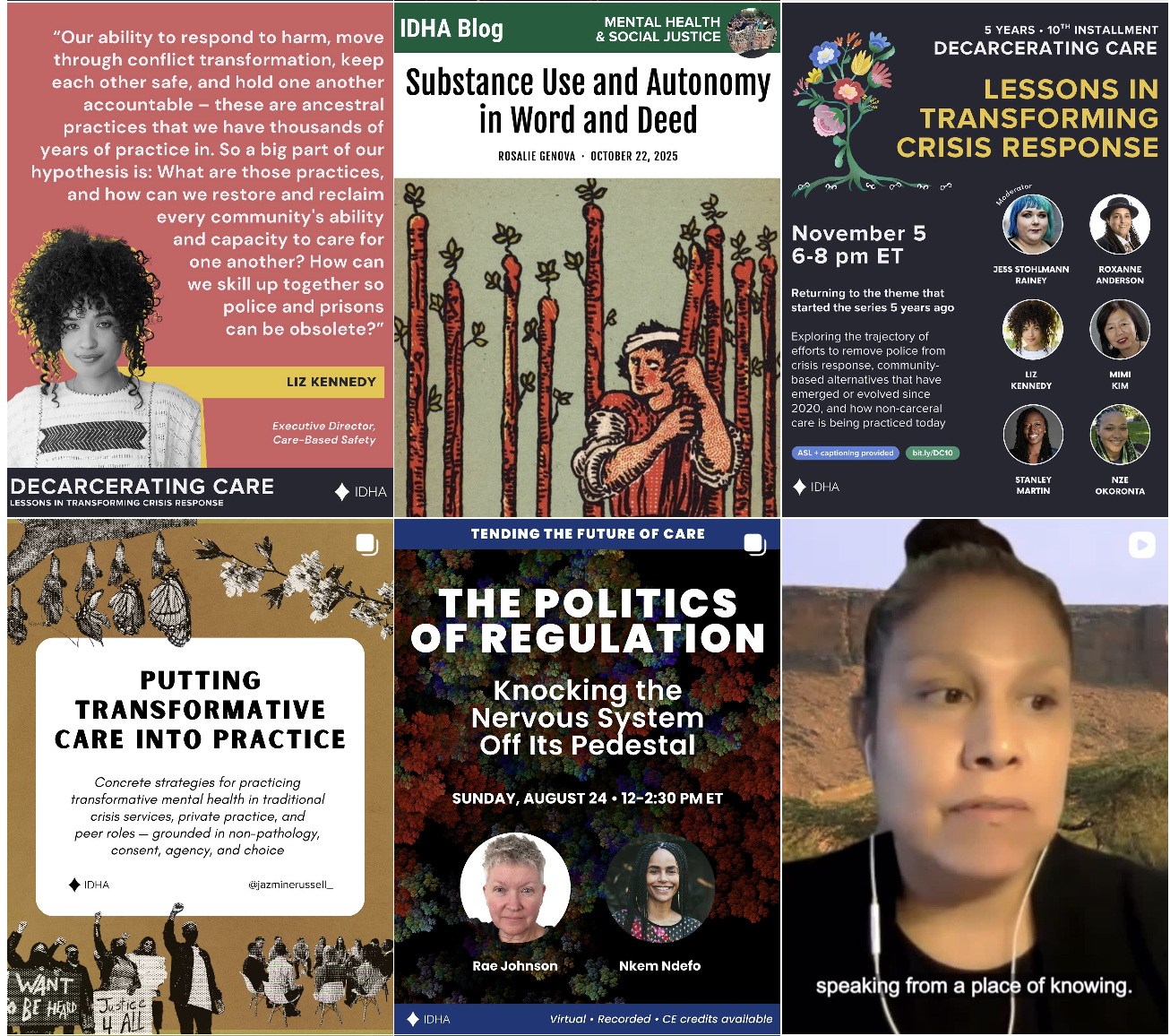
In 2025, we maintained a cross-cutting focus on anti-oppression across all programs, ensuring that questions of power, systemic harm, and collective liberation were consistently integrated into curriculum design, facilitation, and participant engagement. This was particularly reflected in offerings such as Tending the Future of Care and Decarcerating Care. Faculty and facilitators were selected with attention to representation and lived experience, resulting in a majority of speakers identifying as people of color, and bringing a wide range of perspectives into dialogue.
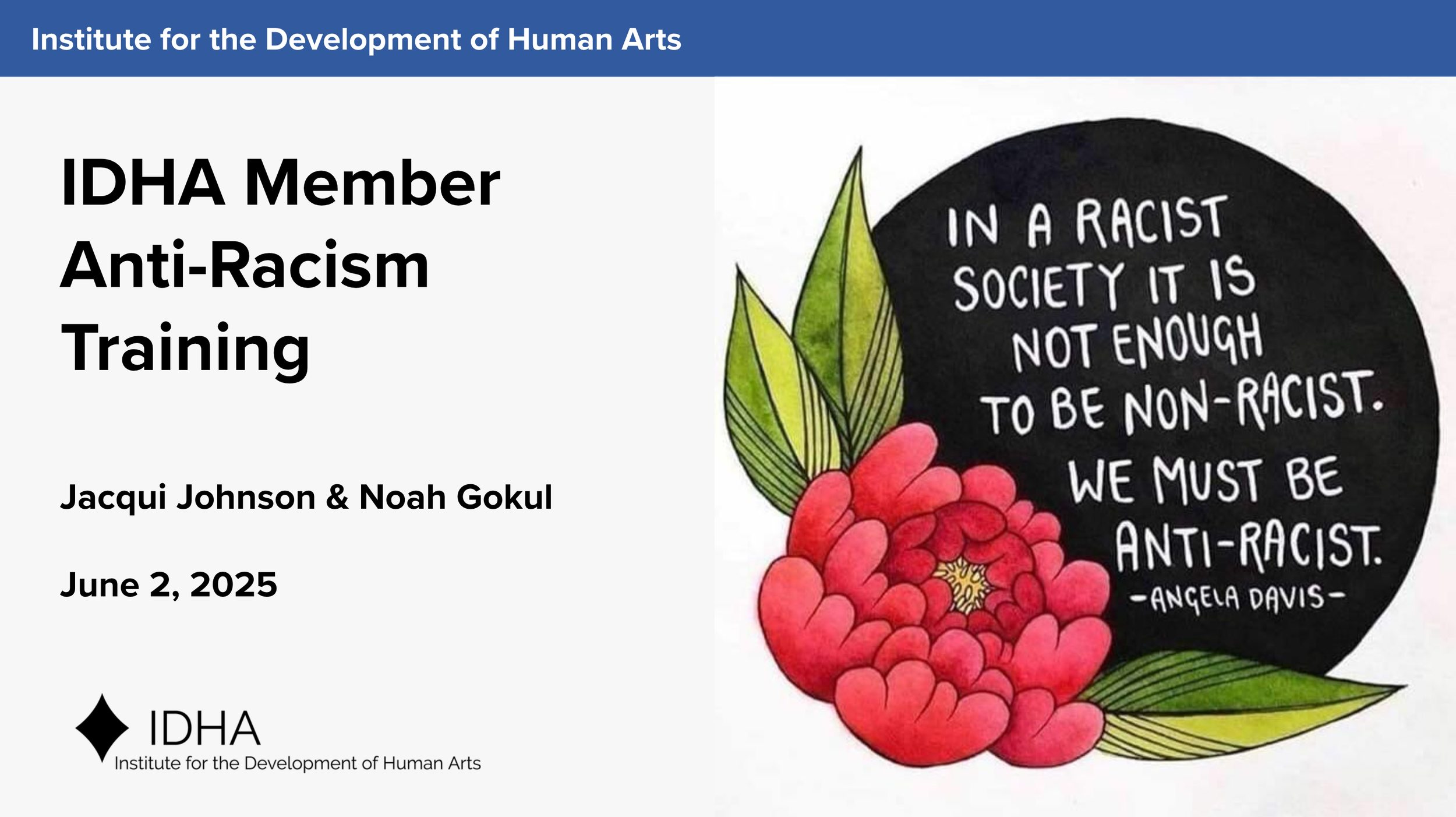
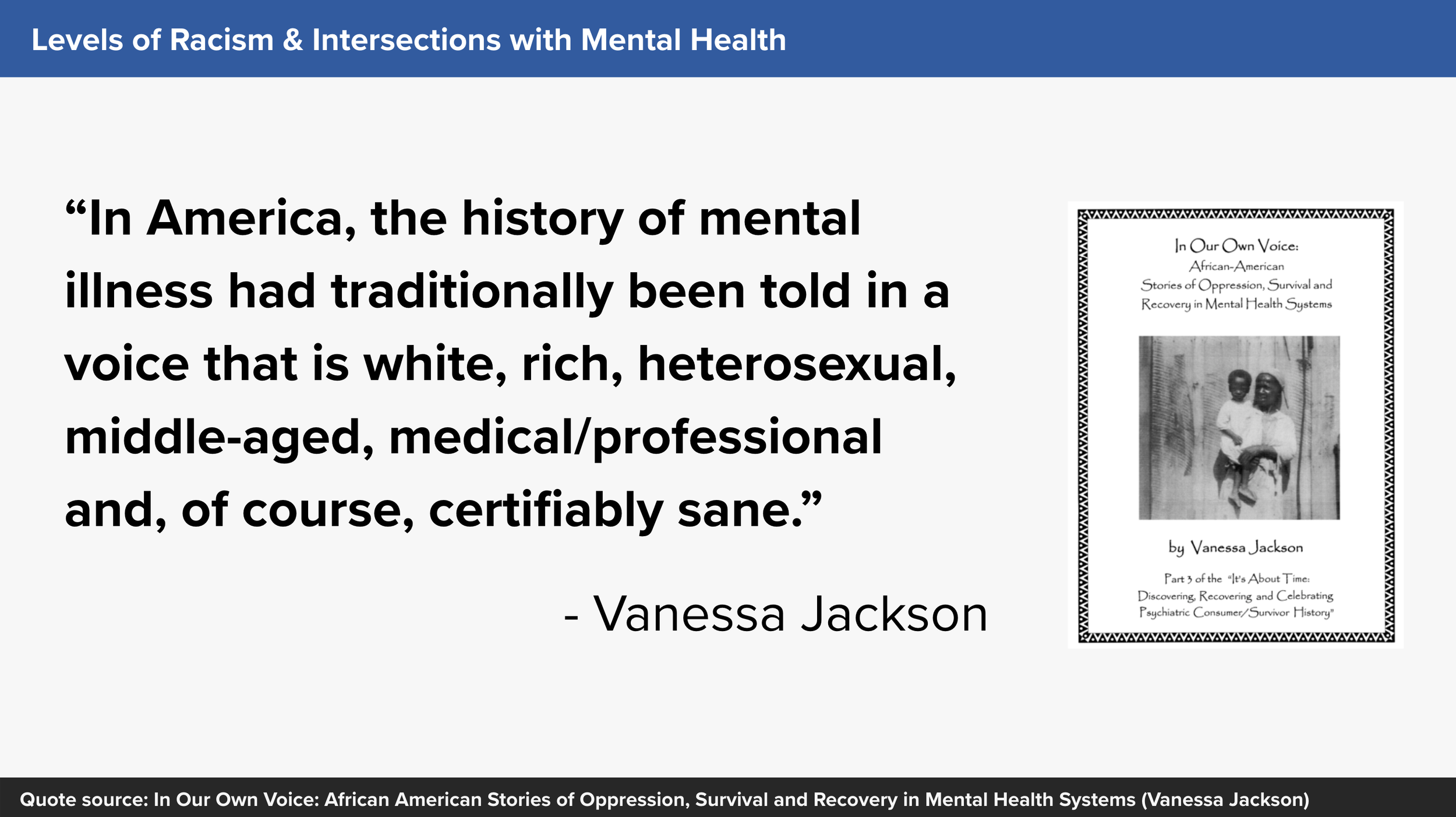
We hosted an internal anti-racism training for IDHA members, designed to build shared language and deepen collective analysis around how racism operates across individual, institutional, and structural levels, including within the mental health system. The training reinforced the importance of grounding our work in a shared understanding of power and oppression. Participant feedback highlighted the value of interactive discussion, collective sense-making, and the opportunity to connect lived experience with broader systemic analysis, while also expressing a desire for continued and deeper engagement on these topics.
We also deepened this work through collaboration with external partners. As mentioned above, in partnership with AORTA, we designed and administered a series of stakeholder surveys aimed at assessing how our programming, structure, and participation pathways align with our anti-oppression commitments. Findings from this process informed ongoing changes to Working Group design, member engagement, and program development, strengthening our ability to more intentionally center those most impacted by the issues we engage.
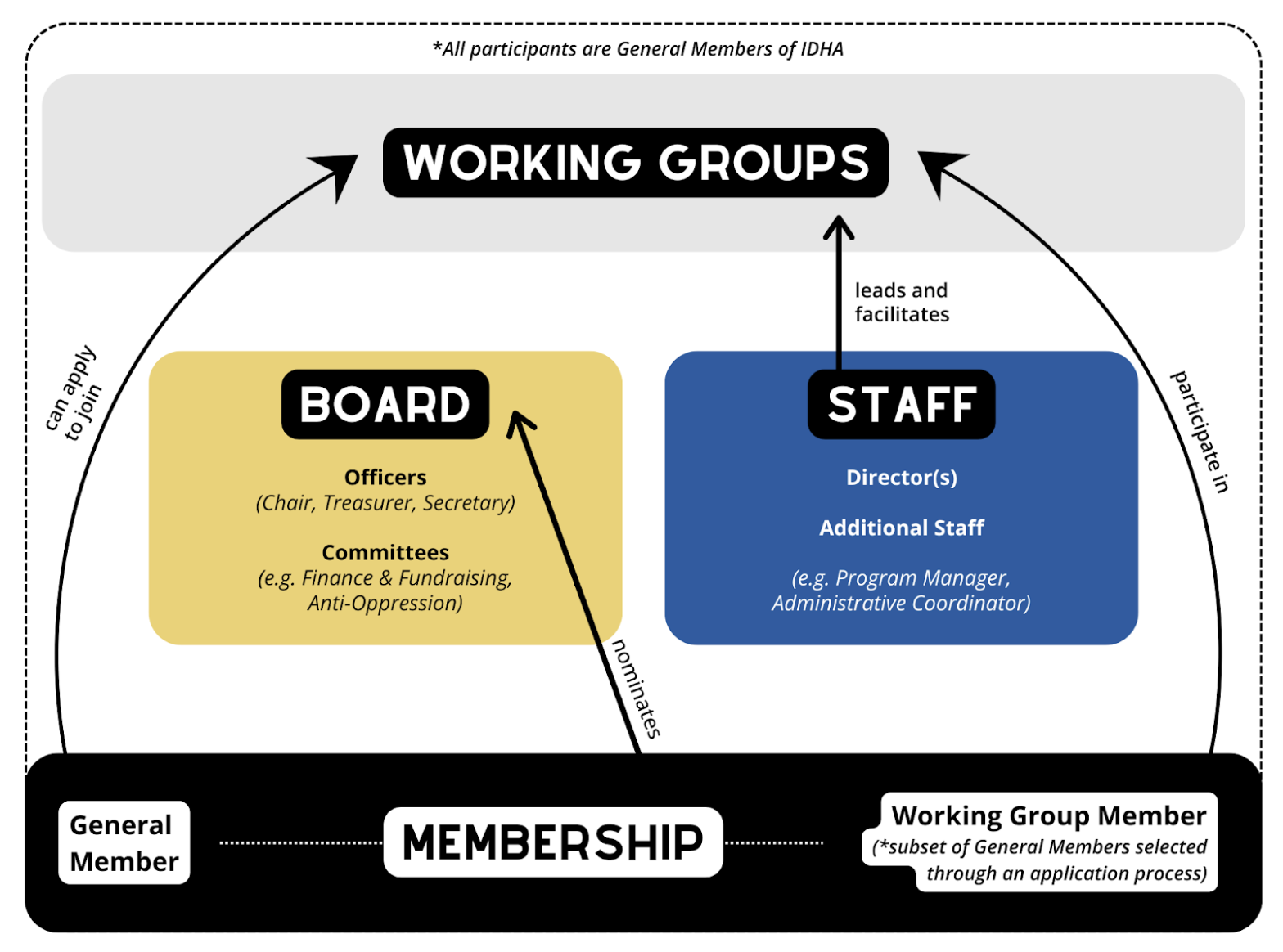
In addition, we worked with Shamillah Wilson to conduct an independent culture review, which explored how IDHA’s values – particularly around anti-oppression, shared power, and inclusion – are experienced in practice. This process surfaced both areas of alignment and areas for growth, including the need for greater clarity around roles, decision-making, and how power operates within our structure. These insights contributed to ongoing internal conversations and adjustments related to organizational design, leadership, and culture.
We received ongoing support from Spring Up, who supported us in strengthening our capacity to navigate conflict and operationalize our values in practice. Through design coaching, we refined several internal resources, including a guide to conflict and harm response in Working Groups, staff guidance on care requests and organizational boundaries, and updated protocols for facilitating dialogue and moderating engagement in virtual program spaces. This work also supported us in mapping where responsibilities live across these workstreams internally and capturing learnings from past organizational experiences to inform more responsive systems.
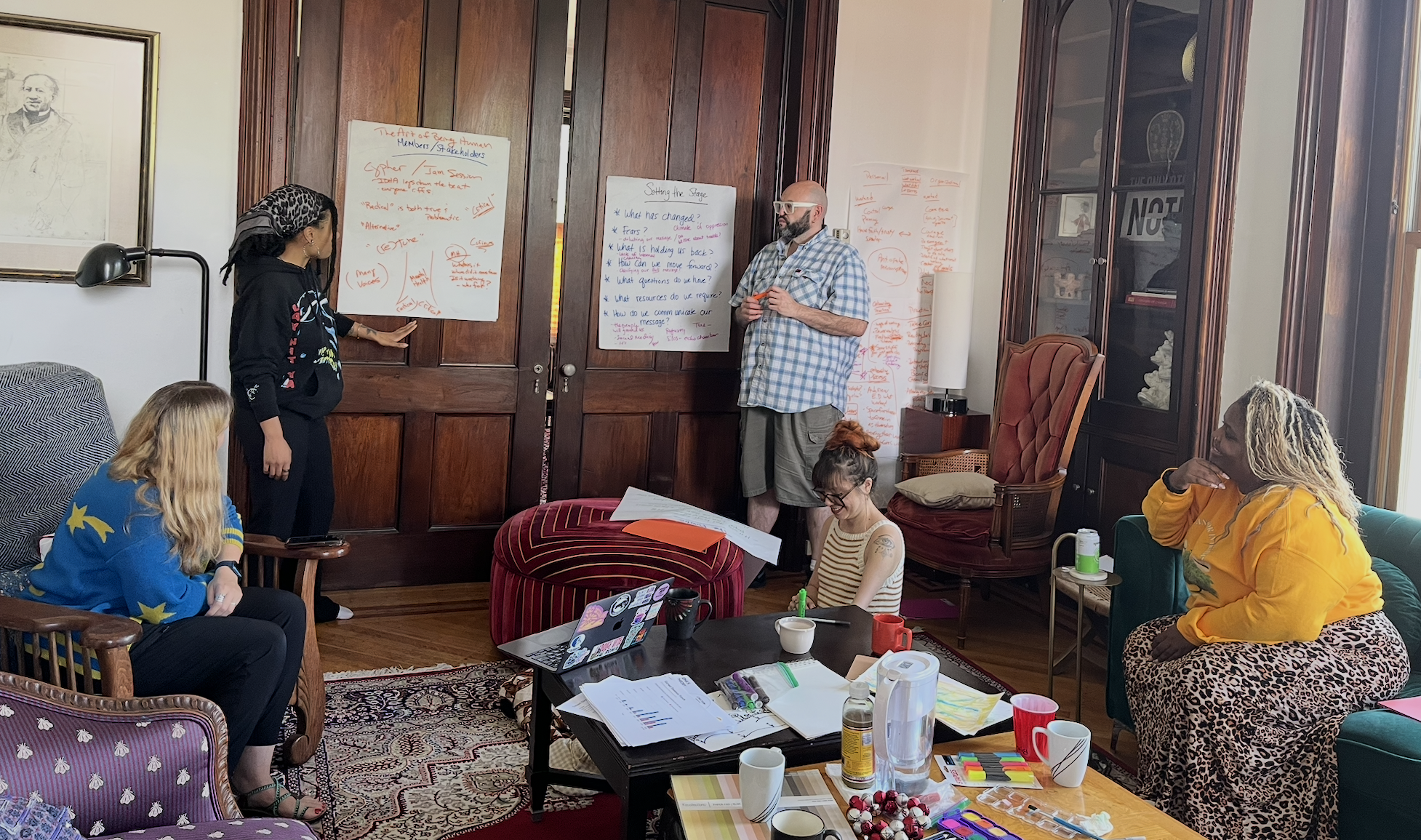
Throughout the year, IDHA’s Anti-Oppression Committee of the Board met regularly with staff to provide guidance and support for this work. These conversations focused on reflecting on progress, identifying challenges, and ensuring that anti-oppression remained a core lens across programmatic, structural, and strategic decision-making.
We also published an update to our Centered Organizational Accountability page in June, sharing a consolidated overview of the steps we have taken to integrate learnings from past conflicts. This update reflects both concrete changes and ongoing areas of inquiry, and was shared publicly as part of our commitment to transparency and accountability. We recognize that this work is ongoing and deeply interconnected with broader organizational efforts, including strategic planning and structure development.