
Resisting Epistemicide:
Restoring Indigenous and Lived Wisdom for Grief Care
THURSDAY AUGUST 20, 2026 • 6-8:30 pm EST
2.25 CE credits are available for this class. Learn more here.
This course explores epistemicide—the systemic suppression of indigenous, lived, and non-dominant ways of knowing through colonial, psychiatric, and institutional forces—and examines the impacts of this loss on grief, identity, and community well-being. Participants will consider how dominant Western mental health frameworks may overlook or devalue Indigenous, cultural, and experiential ways of knowing, and examine the implications for clinical and peer support practices. Through remembrance practices, collective grieving rituals, and Indigenous-informed approaches to healing, participants will explore cultural frameworks for supporting complex and intergenerational grief.
Learning objectives:
Identify Indigenous and culturally rooted ways of knowing that have been marginalized through processes of epistemicide and describe the potential impacts of this loss on grief, identity, and healing.
Describe and participate in experiential Indigenous-informed therapeutic interventions and discuss considerations for their ethical and culturally responsive application.
Recognize how grief may be expressed through anger, resistance, and other culturally meaningful responses, and identify approaches for holding space within clinical and peer support settings.
Apply principles of culturally responsive and trauma-informed care when supporting grief experiences shaped by historical, cultural, and intergenerational loss.
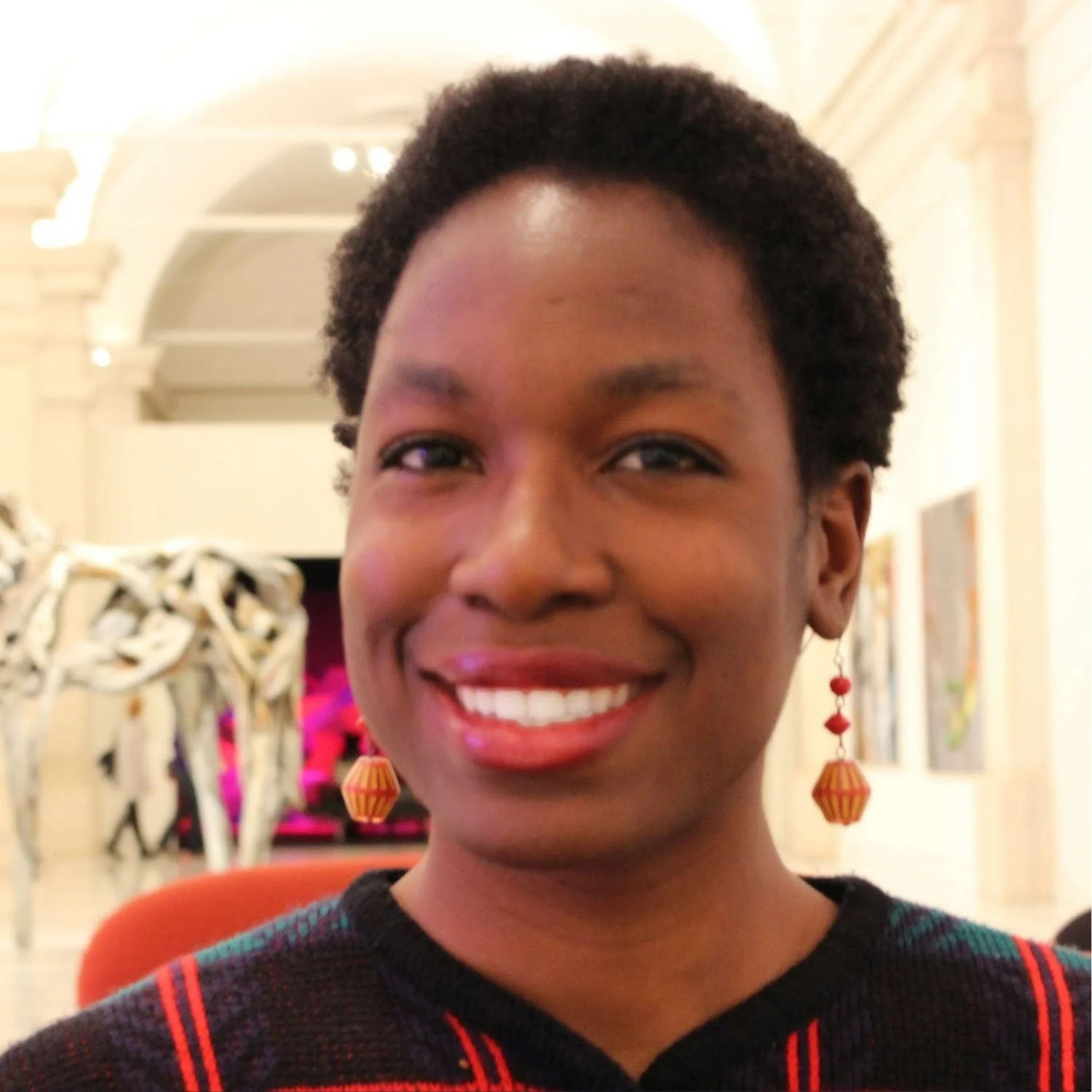
Elmina Bell is an Indigenous African Psycho-Spiritual Practitioner. Their work as a trained trauma-informed peer support facilitator, crisis/refuge worker, astrologer, sound healer and medium, is guided by knowledge systems of her ancestors and Disability Justice and Healing Justice principles.
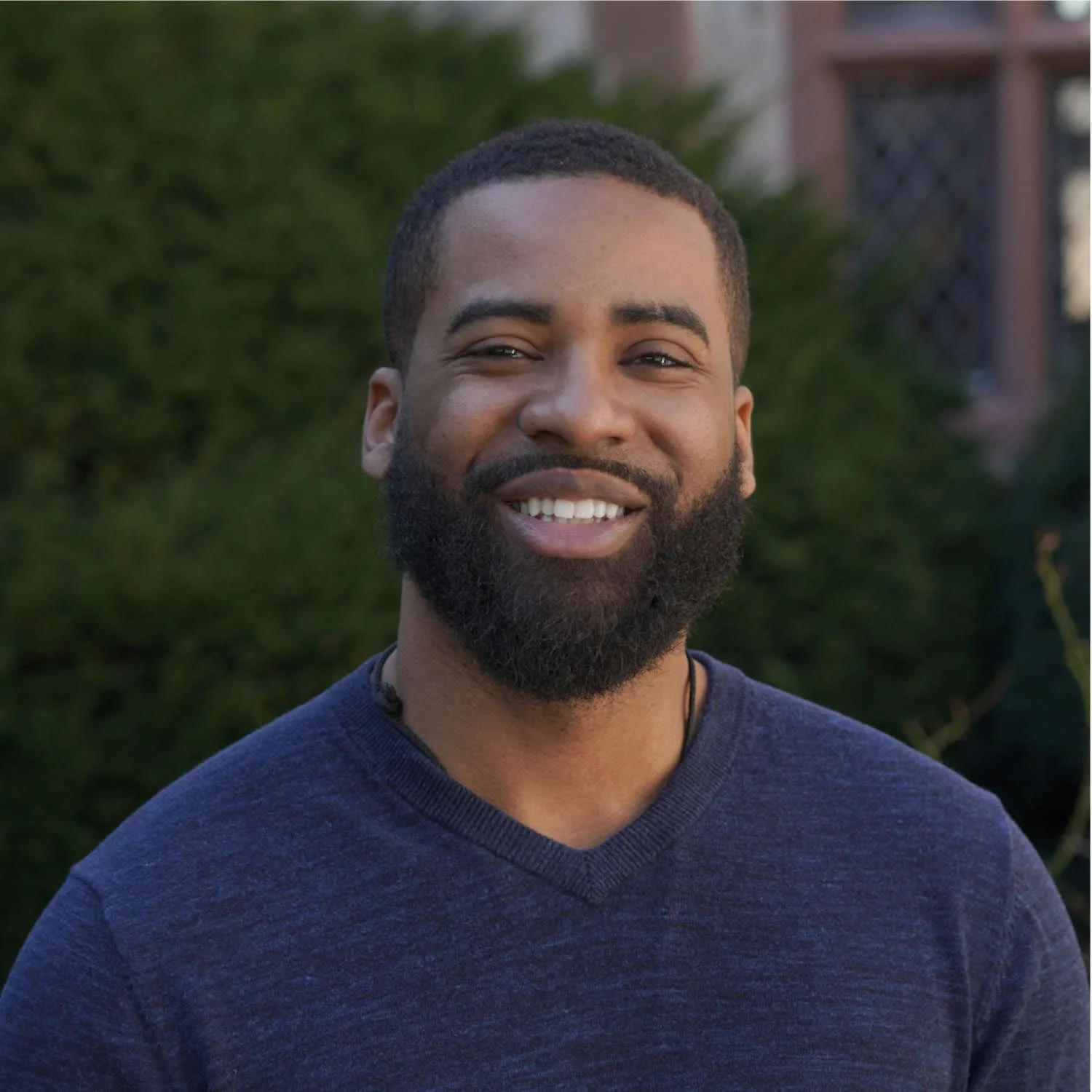
Evan Auguste, PhD, is an Assistant Professor of Psychology at John Jay College of Criminal Justice. He completed his Ph.D. in clinical psychology with a major area of focus in forensic psychology at Fordham University in 2022. Auguste is a 2014 graduate of Middlebury College. His identities as a Haitian-African American man have informed his work on examining how the U.S.’s history of anti-Blackness has shaped psychological realities both in and outside of the country’s borders. He is the director of the A.S.I.L.I. Collective and recently edited the volume The Carceral State, Forensic Psychology, and Black Resistance: “Let Them Not Be Forgotten”, which outlines the theoretical and ethical commitments for forensic psychologists in the struggle for Black liberation and details areas of focus for practice and research.