
Grief Literacy 202:
Alternatives to suppression
SUNDAY OCTOBER 11, 2026 ~ 1PM-3PM ET
2.25 CE credits will be available for this class.
This course explores alternatives to grief suppression by examining how personal, collective, and systemic experiences of loss shape the ways we relate to ourselves and one another. Participants will consider how dominant Western cultural and mental health frameworks may reinforce patterns of grief suppression, and how engaging grief can support more sustainable relationships, care practices, and approaches
to social change. Participants will explore reflective questions, relational approaches, and foundational facilitation skills for recognizing and responding to complex experiences of grief. Through reflection and practice, participants will develop skills for building trust-centered spaces in community and professional settings that can support the expression and complexity of individual, interpersonal, and collective grief.
Learning objectives:
Identify ways grief suppression and avoidance may appear in individual, community and professional relationships.
Apply reflective questions and relational approaches for recognizing and responding to complex experiences of individual and collective grief for social change.
Develop foundational facilitation skills for supporting grief while creating relationships and spaces with sufficient trust to support the expression of grief in others.
Practice skills for inviting and holding multiple dimensions of individual, interpersonal, and collective grief within individual and group settings.
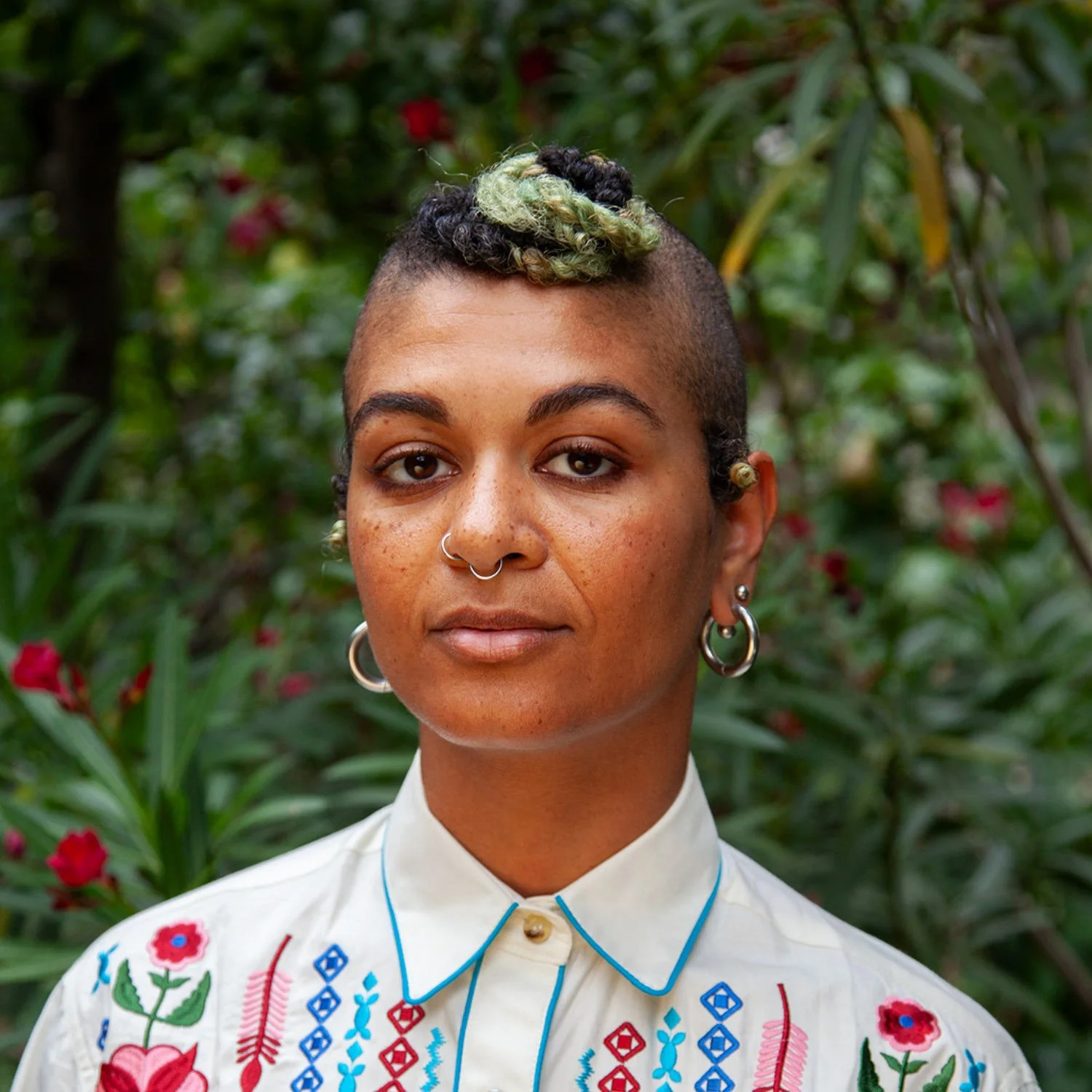
Camille Sapara Barton (they/them) is a writer, embodiment social designer, advisor and educator who creates resources or collective experiences that prototype embodied decolonisation and reconnection to the web of life. Camille’s work is grounded in Black Feminism, ecology, somatics and harm reduction. They are the author of Tending Grief: Embodied Rituals for Holding Our Sorrow and Growing Cultures of Care in Community (2024).
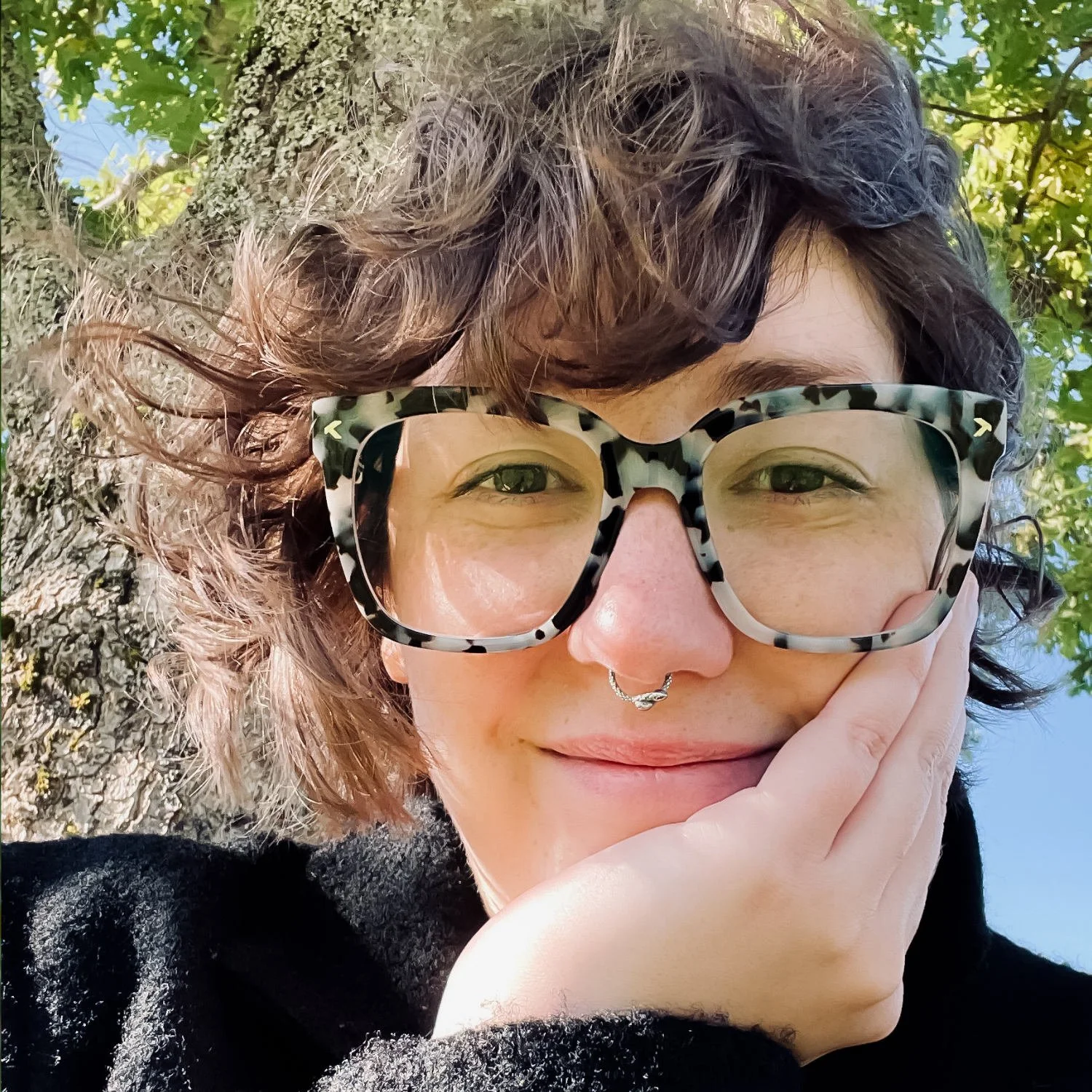
Mal Rose (they/she), Grief Educator, has spent the last decade coaching, speaking, writing, and consulting on the topic of grief care and is thoroughly convinced of its ability it change the world for the better. Rooted in their lived experiences as a multi-violence and near-death experience survivor, they invite individuals, groups, and whole organizations to harness grief care as a force of radical cultural, social, and political systems reshaping. A warm, thoughtful, playfully dramatic lamp in the fog, they guide listeners through curious and creative explorations of the role of grief, and the consequences of its suppression, in conflict repair, community sustaining, and world building.